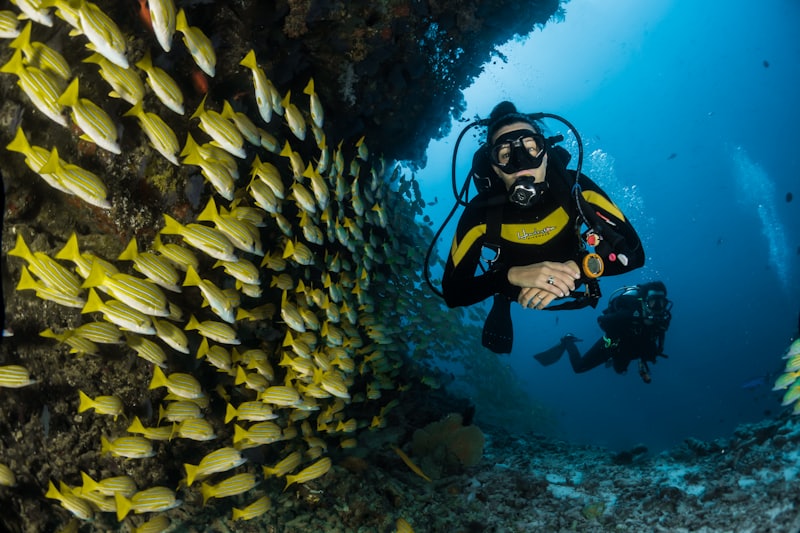
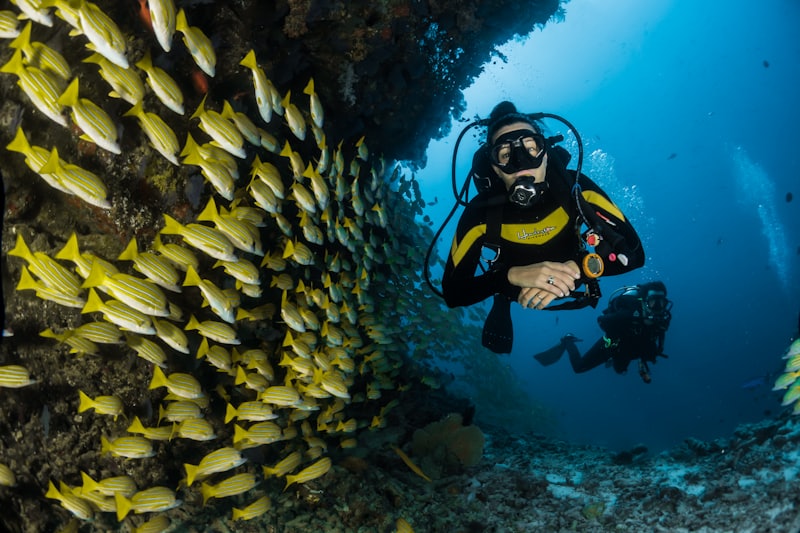
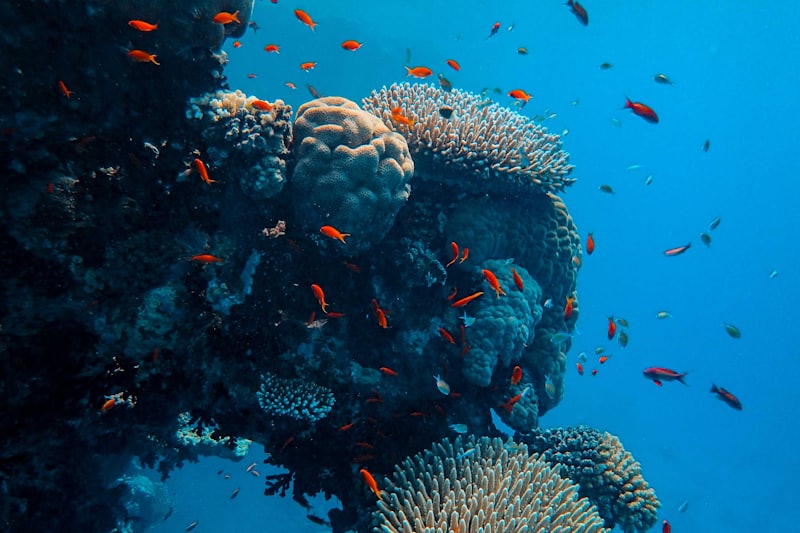
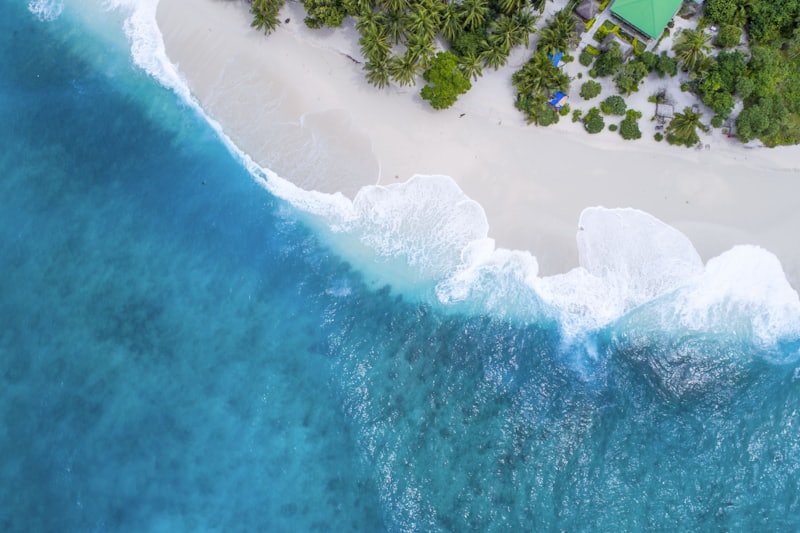
No reef contact — and why neutral buoyancy matters more than anything else: Coral polyps are living organisms covered in a delicate mucous layer that serves as their primary immune barrier. Contact from a wetsuit, hand or fin tip removes this layer over the contacted area and allows bacterial colonisation that causes tissue necrosis within hours. A single contact per dive per diver is not inconsequential — Giftun Island alone receives hundreds of divers per day in peak season, and even a 1% accidental contact rate per diver-dive represents hundreds of coral contacts daily. Neutral buoyancy is the complete prevention: a diver who is properly weighted, fully inflated to neutral and in a horizontal trim position does not touch the reef. Centres that do not invest in this skill development during Open Water training are transferring environmental cost to the reef. If you are still kneeling or standing on sand near coral during dives, improving your buoyancy should be the priority of your next dive — before any course upgrade. The certification page covers the Peak Performance Buoyancy specialty course for divers who want structured buoyancy work.
No collection — shells, creatures or coral fragments: Collection of marine organisms or coral, including dead coral fragments, is prohibited in the Giftun Protected Area and across most of the dive sites covered in this guide. This includes shells, sea stars and seemingly harmless small animals. The shells in particular are rarely as dead as they appear — hermit crabs actively need them. Beyond legality, the reasoning is practical: the density and diversity of marine life on these reefs persists because animals are not consistently removed. The souvenir economy creates a feedback loop where the very thing visitors come to see is depleted by their presence.
Shark and ray interaction protocol: No touching, chasing or cutting off the path of any elasmobranch. Grey reef sharks perform a threat display before they bite — arched back, pectoral fins pointed down, exaggerated lateral undulation — and bites are almost exclusively defensive responses to cornering or harassment. The correct response to an approaching shark is to stop, remain calm and let it pass. For rays, the same no-touch rule applies; the southern stingray (Hypanus americanus) is not native here but blue-spotted ribbontail rays (Taeniura lymma) are common on sandy patches and have a genuinely dangerous stinging tail used only when panicked or trapped.
Marine park fees: The Giftun Protected Area and surrounding Red Sea Protectorate receive conservation fee income that is supposed to fund patrol, enforcement and research. Pay the fee on the boat, keep your receipt, and if your centre has not factored this into the stated trip price, ask for clarification before agreeing to the charge on the water. We cover fee amounts and which sites require them in the dive sites atlas.