Reef · All levels
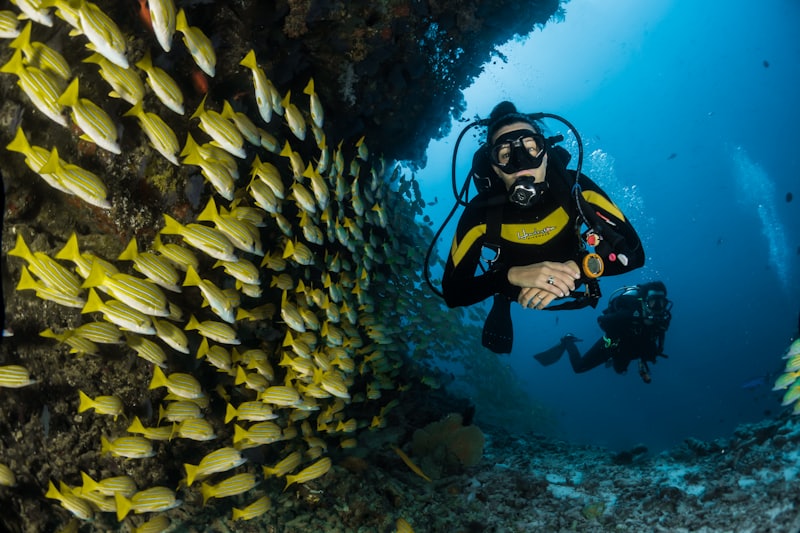
Giftun Island
The classic Hurghada day trip — sheltered coral gardens and drop-offs suitable for snorkellers and divers alike, with reliable visibility and easy boat access.
Site details →The reefs off Hurghada, El Gouna and Safaga are some of the most accessible warm-water diving anywhere — coral walls, drop-offs and wrecks within an hour of the marina. But the experience hinges entirely on which dive centre you trust and which sites suit your level. We don't run boats or sell courses; we map the options independently, so you arrive knowing where to dive, with whom, and what a fair price looks like.
We're an independent guide, not a dive operator. You book directly with the centre; we make sure it's the right one for your level and your reef.
Snorkeller, total beginner, certified diver or technical — the right reef and the right centre change completely with experience. House-reef shore dives suit beginners; the offshore walls and wrecks reward certified divers with good buoyancy.
We compare dive sites against your level and base, and line up the centres with solid safety records, sensible group sizes and proper kit. We flag the ones that overcrowd boats or skip the buddy checks.
We point you to the centre and a fair price, with notes on what's included — tanks, weights, guide ratio, transfers — and the marine-park fees you'll pay on top.
Six of the dive sites we're asked about most around Hurghada. The full atlas lives on our reef pages.
The classic Hurghada day trip — sheltered coral gardens and drop-offs suitable for snorkellers and divers alike, with reliable visibility and easy boat access.
Site details →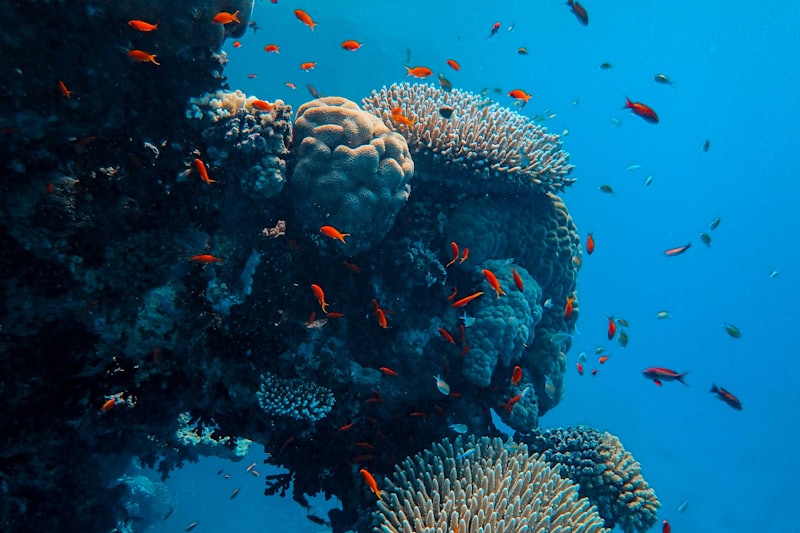
A reef that has claimed several cargo ships, now an open-air museum of wrecks for certified divers — the Giannis D and Carnatic among them. Currents and depth make it advanced.
Reef guide →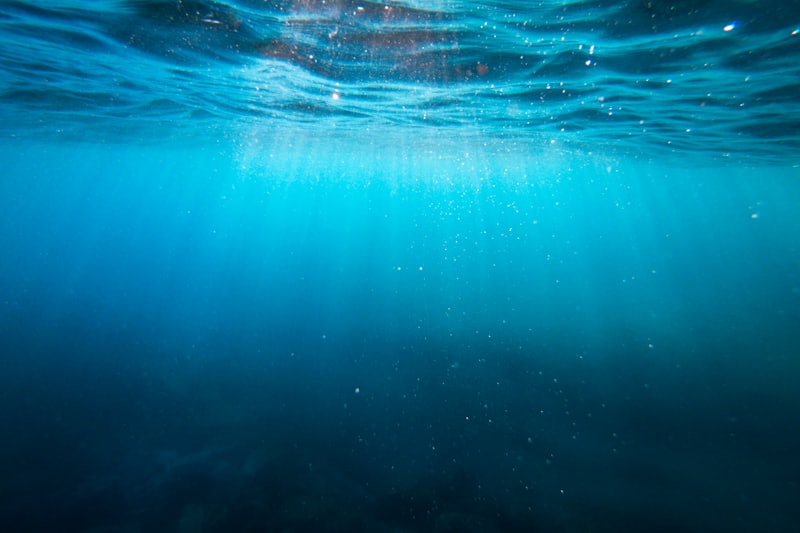
Calm, shallow reefs ideal for first dives and courses, with gentle entries and abundant reef fish close to the surface. A favourite for confidence-building.
Learn to dive →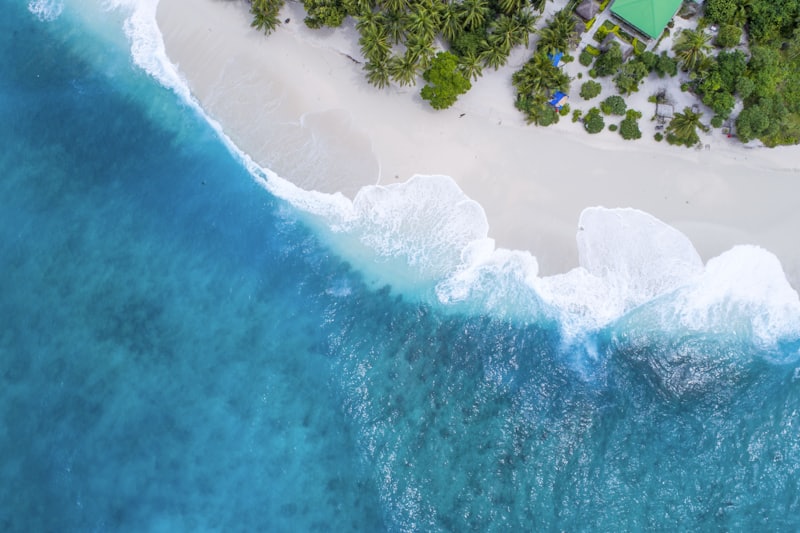
Quieter than Hurghada, with healthy coral pinnacles like Panorama and Abu Kafan. Good for divers wanting fewer boats and bigger marine life.
Site details →
Multi-day liveaboard itineraries reaching the Thistlegorm and the offshore reefs that day boats can't. The serious diver's Red Sea, covered on its own page.
Liveaboards →
You don't need to dive to see the reef. We map the snorkel sites and the boats that prioritise non-divers, so families and first-timers aren't dragged on a dive schedule.
Snorkelling →Hurghada has hundreds of dive centres, and the gap between the best and the worst is wide: group sizes, kit maintenance, how seriously they take safety briefings and buddy checks, whether the guide actually knows the site. A bad centre can turn a world-class reef into a stressful, even dangerous, day. Reviews online are gamed; word of mouth is patchy. That's the problem we set out to fix.
We keep current notes on the centres, the sites and the courses, and we match them to your level rather than to whoever pays for placement. Read how the collective works, study the reef guide, or check what marine safety should look like before you step on a boat.
Already know roughly what you want? Tell us your dates and level and we'll send a shortlist of centres and sites that fit.
The Red Sea rewards a little planning more than most dive destinations. The same week can put you over a shallow coral garden one morning and a forty-metre wreck the next, and the boat, the guide and the briefing that suit one rarely suit the other. Matching the site to your logged experience is not box-ticking — it is the difference between a dive you talk about for years and one you spend fighting current you were not ready for. That is the whole reason we map levels, sites and centres together rather than treating "Red Sea diving" as a single product.
We don't operate dives or sell certifications, so we have nothing to push. The centre we recommend is the one your level and safety call for — not the one paying a finder's fee.
Not to start. Reputable centres offer "discover scuba" intro dives for complete beginners under close supervision, and full certification courses that take a few days. Snorkellers need no qualification at all. We match the right entry point to your experience — see our certification page.
Diving is year-round. Water is warmest from June to October (often 28°C and above), and coolest in January and February, when a wetsuit matters more. Visibility is good throughout. Our reef guide covers seasonal marine life like the summer plankton blooms that bring larger animals.
The Red Sea's protected areas charge a small daily conservation fee per diver, usually paid on the boat and rarely included in the headline price. We tell you the current fee for each area so the quoted price holds no surprises.
If you want the offshore wrecks and reefs that day boats can't reach — the Thistlegorm above all — a liveaboard is the only practical way, and you'll dive far more per day. For casual divers staying at a resort, day trips are simpler and cheaper. See liveaboards.
Look for proper certification affiliation, sensible diver-to-guide ratios, well-maintained kit, oxygen and a first-aid plan on board, and unhurried safety briefings. Our marine safety page lists exactly what to check, and the centres we recommend meet those standards.
Send your dates, level and base. We'll reply with matched centres, the right reefs and honest pricing.
Get a dive plan